Understanding the Basics of Cat Litter Chemistry
Cat litter is an essential product for cat owners, serving as a convenient solution for indoor pet waste management. However, many pet owners may not be aware of the complex chemistry that underpins the various types of cat litter available on the market. Understanding the chemical composition of cat litter can help consumers make informed choices about the products they select for their pets. This article delves into the primary components, absorbent materials, and additives that characterize different cat litter brands.
Primary Components of Cat Litter
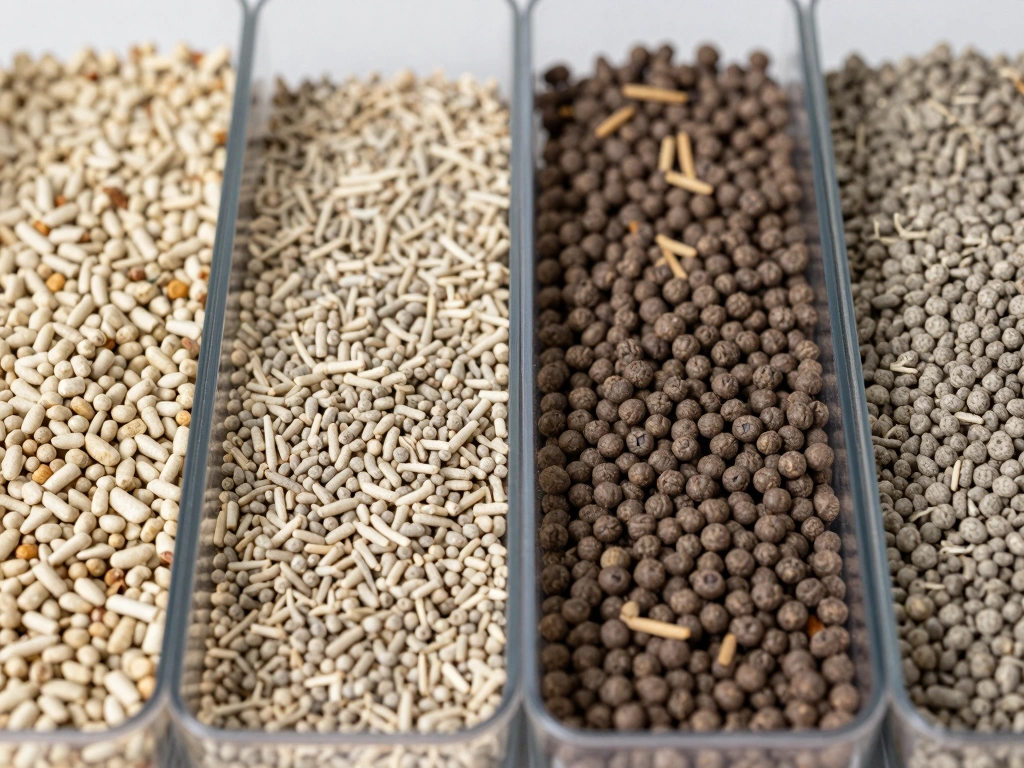
The primary components of cat litter can be broadly categorized into three main types: clay-based litters, natural and biodegradable litters, and synthetic options. Each type varies significantly in its chemical makeup.
- Clay-Based Litters: These are predominantly made from natural clays, with sodium bentonite being the most common. Clay litters are typically composed of minerals and are valued for their absorbent properties.
- Natural and Biodegradable Litters: These litters are derived from organic materials such as corn, wheat, and recycled paper. Their chemical compositions often include starches and cellulose, which provide absorbency and clumping capabilities.
- Synthetic Litters: Often made from polymers, these litters can offer a range of properties, including odor control and moisture absorption but can also raise concerns regarding toxicity and environmental impact.
Absorbent Materials and Their Properties
Absorbent materials are critical in cat litter, as they determine how effectively the litter can control moisture and odors. The most common materials include:
- Sodium Bentonite: This clay is highly absorbent and forms clumps when wet, facilitating easy cleanup.
- Natural Absorbents: Materials like corn and wheat contain starches that absorb moisture while providing a natural scent.
- Recycled Paper: While not as absorbent as clay, recycled paper litters can still effectively control moisture and are an eco-friendly option.
Role of Additives in Cat Litter Formulations
Additives play a crucial role in enhancing the performance of cat litter. Common additives include:
- Odor Neutralizers: Chemicals such as activated charcoal and baking soda are often added to combat odors.
- Fragrances: Many litters include synthetic or natural fragrances to mask unpleasant smells.
- Antimicrobial Agents: Some brands incorporate chemicals that inhibit bacterial growth, further reducing odor and improving hygiene.
Comparative Analysis of Clay-Based Cat Litters
Clay-based cat litters dominate the market, and within this category, sodium bentonite stands out as a key ingredient. However, not all clay-based litters are created equal, and their chemical properties can vary significantly.
Differences Between Sodium Bentonite and Other Clays
Sodium bentonite, a type of clay formed from volcanic ash, is known for its exceptional clumping ability and high absorbency. In contrast, other types of clays, such as kaolin or attapulgite, may not clump as effectively or absorb moisture as efficiently. Some essential differences include:
- Absorption Rate: Sodium bentonite can absorb up to 10 times its weight in water, while kaolin may only absorb about 2-3 times its weight.
- Clumping Ability: Sodium bentonite forms solid clumps, making it easier to scoop, while other clays may produce mushy or weak clumps.
- Cost: Sodium bentonite is often more expensive due to its effectiveness and sourcing, whereas other clays may be more affordable.
Chemical Properties Affecting Absorption and Odor Control
The chemical structure of sodium bentonite contributes to its absorbent properties. It has a unique layered structure that allows water to be held between the layers. This property not only aids in moisture absorption but also helps in trapping odors within the clumps. On the other hand, non-bentonite clays may lack such layered structures, resulting in lesser efficiency in both absorption and odor control.
Environmental Impact of Clay Mining and Processing
The extraction and processing of clay, particularly sodium bentonite, pose significant environmental concerns. Mining operations can disrupt local ecosystems, and the transportation of heavy clay products contributes to carbon emissions. Additionally, the processing of clay often involves energy-intensive methods. Some brands are now exploring more sustainable mining practices, yet the environmental impact remains a critical consideration for eco-conscious consumers.
Exploring Natural and Biodegradable Cat Litters
With growing concerns about the environmental impact of clay mining, many consumers are turning to natural and biodegradable cat litters. These products are typically made from organic materials and offer different chemical compositions compared to traditional clay litters.
Chemical Composition of Corn and Wheat-Based Litters
Corn and wheat-based litters utilize the natural absorbent properties of these grains. The primary components include:
- Starch: Found in both corn and wheat, starch is a natural polymer that provides excellent moisture absorption and clumping capabilities.
- Cellulose: This organic compound adds to the litter's absorbency and is biodegradable, making it a more eco-friendly option.
For example, a popular corn-based litter may contain approximately 50-70% corn starch, which contributes to its clumping ability and odor control.
Comparing Plant-Based vs. Recycled Paper Litters
Plant-based litters such as those made from corn or wheat differ significantly from recycled paper litters in their chemical properties:
- Absorbency: Plant-based litters generally offer higher absorbency due to their starch content compared to cellulose-based paper litters.
- Biodegradability: While both types are biodegradable, plant-based litters decompose faster than paper litter, which can take longer to break down.
- Odor Control: Natural plant materials often have inherent odor-neutralizing properties that enhance their effectiveness over recycled paper options.
Toxicity and Health Concerns in Organic Litters
While natural litters are often marketed as safer alternatives, there are still potential health concerns. Some organic litters may contain additives or processing chemicals that could trigger allergies in sensitive cats or humans. For instance, certain brands of corn litter may use pesticides during cultivation, raising concerns about chemical residues. Consumers should look for certified organic products to mitigate these risks.
The Role of Scented Cat Litters in Chemical Composition
Scented cat litters are increasingly popular, as they can help mask odors effectively. However, the addition of fragrances introduces a new layer of chemical complexity.
Types of Fragrances Used in Cat Litter
Fragrances in cat litter can be derived from natural or synthetic sources:
- Natural Fragrances: These may include essential oils from plants, which can be more appealing to environmentally conscious consumers.
- Synthetic Fragrances: Often less expensive and more potent, synthetic fragrances can provide longer-lasting scent but may contain allergens or irritants.
For example, a litter brand that uses lavender essential oil may appeal to some pet owners for its natural scent, while a synthetic version may boast a more robust odor-masking capability.
Impact of Scented Additives on Cat Allergies
While scented litters can effectively control odors, they can also exacerbate allergies in some cats. Cats have a heightened sense of smell, and strong fragrances may irritate their respiratory systems. For instance, a study found that roughly 10% of cats develop respiratory symptoms when exposed to heavily scented litters. Therefore, it is crucial for cat owners to monitor their pets for any signs of discomfort or allergic reactions.
Long-term Effects of Chemical Scents on Indoor Air Quality
The presence of synthetic fragrances in cat litter can also impact indoor air quality. Many synthetic scents release volatile organic compounds (VOCs) into the air, which can contribute to indoor air pollution. Prolonged exposure to these compounds has been linked to respiratory issues in humans. Thus, cat owners should consider the long-term implications of using heavily scented litters, especially in small living spaces.
Future Trends in Cat Litter Chemistry
The cat litter market is evolving, with ongoing research and development focusing on improving the chemical formulations of litter products. Consumer preferences for environmental sustainability and safety are driving these innovations.
Innovations in Chemical Formulations for Enhanced Performance
Recent advancements in cat litter chemistry have led to the development of products that offer superior absorption, odor control, and clumping ability. For example, some brands are now incorporating bioactive materials that enhance odor neutrality through natural biochemical processes. Additionally, advancements in polymer chemistry are leading to the creation of synthetic litters that are more absorbent while being less harmful to the environment.
Eco-Friendly Alternatives and Their Chemical Benefits
As awareness of environmental issues grows, many cat litter brands are investing in eco-friendly alternatives. These products often utilize renewable resources and biodegradable materials, reducing their environmental footprint. For instance, new formulations are emerging that combine recycled materials with organic compounds to enhance absorbency without compromising biodegradability.
Consumer Awareness and Demand for Safe Cat Litter Options
With increasing consumer awareness regarding the potential health risks associated with certain chemical compounds in cat litter, there is a growing demand for safe and non-toxic options. Brands that prioritize transparency in their ingredient sourcing and chemical formulations are likely to gain a competitive edge. As a result, many companies are beginning to invest in research to develop safer products that meet consumer expectations while maintaining performance.
In conclusion, understanding the chemical composition of cat litter is essential for making informed choices about pet care products. By examining the differences in materials, additives, and environmental impacts, cat owners can select the most suitable litter for their feline companions while considering both health and sustainability.